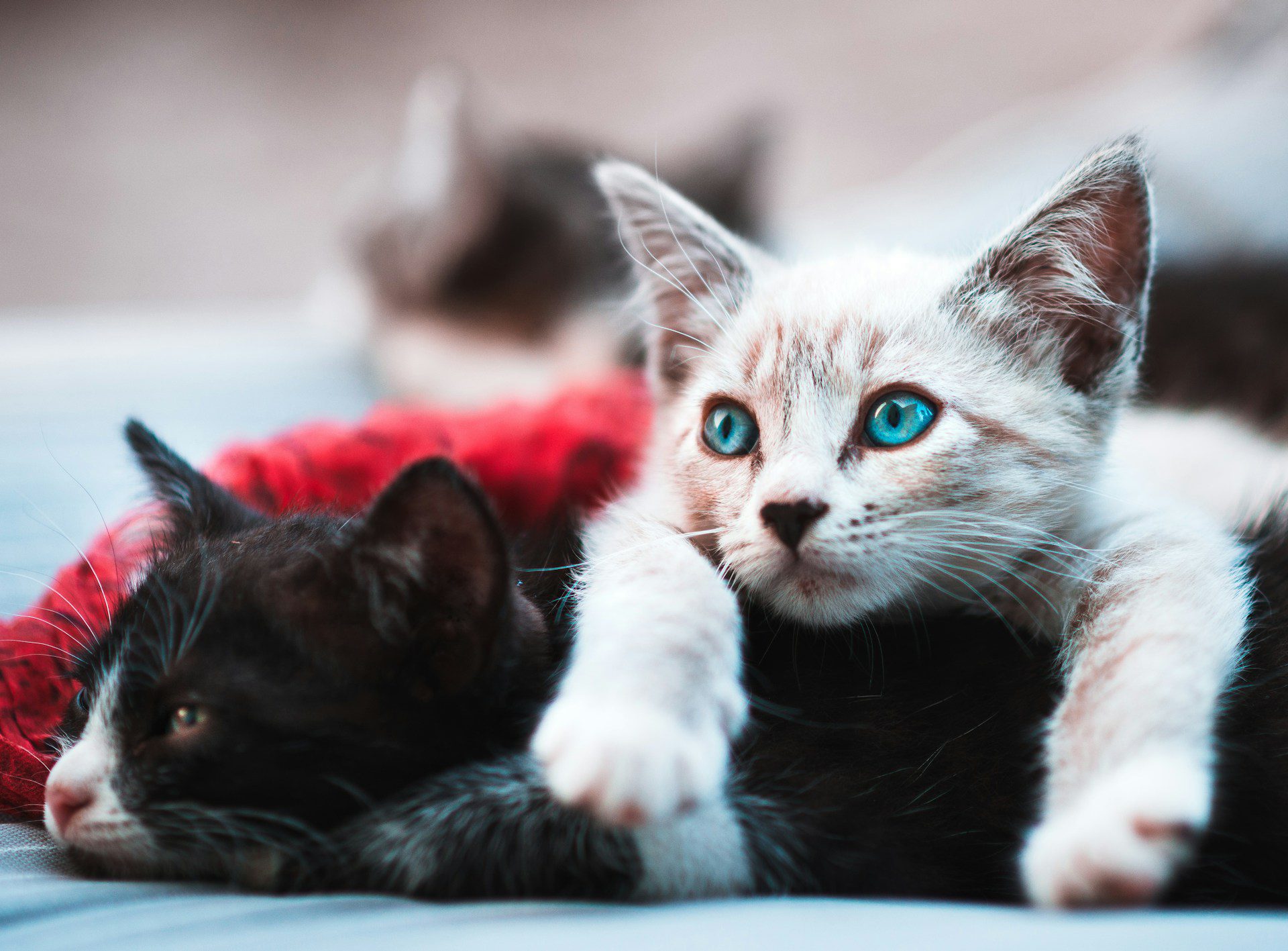

At Empire Veterinary Clinic, serving Empire, CA and Modesto, CA, we know how deeply our clients care for their feline friends. Vaccinations are a vital part of responsible pet ownership and preventive health care. Vaccines protect your kitty from dangerous, often fatal, diseases. They also help prevent the spread of illnesses within the cat community and, in some cases, to humans. As your friendly neighborhood veterinarians, we’re committed to keeping Fluffy safe, healthy, and thriving.
Some pet owners wonder whether indoor-only cats need vaccinations. The answer is yes. Even if your cat never steps outside, viruses and bacteria can be brought into your home on your clothes, shoes, or through other pets. Additionally, if your cat ever escapes or needs boarding, grooming, or emergency veterinary care, her risk of exposure increases. Vaccinations are her first line of defense against illness.
The Importance of Cat Vaccines
Vaccines work by stimulating your cat’s immune system to recognize and fight off specific diseases. They train her immune defenses to respond swiftly and effectively if she’s exposed later. This means that vaccinated cats are far less likely to get sick, and if they do, their symptoms are typically milder and easier to treat.
Fun Fact: The first feline vaccine, against feline panleukopenia, was developed in the 1960s. It dramatically reduced deaths from this once widespread and deadly disease.
Core vs Non-Core Cat Vaccines
Core Vaccines
Core vaccines are recommended for every cat, regardless of whether she lives indoors, outdoors, or somewhere in between. They protect against severe and potentially fatal diseases:
- Rabies: Rabies is a viral disease that affects the nervous system and is always fatal once symptoms appear. It can be transmitted to humans, making vaccination legally required in most areas, including here in Empire, CA.
- FVRCP: This combination vaccine protects against three serious diseases:
- Feline Viral Rhinotracheitis (FHV-1): A herpesvirus causing upper respiratory infections. Feline Viral Rhinotracheitis (FVR) is a leading cause of upper respiratory illness in cats. It is also the most frequent cause of conjunctivitis, an inflammation of the tissues surrounding the eye, particularly the lining of the eyelids and the third eyelid.
- Calicivirus (FCV): Causes respiratory infections and oral ulcers.
- Panleukopenia (FPV): Also known as feline distemper, this is a highly contagious and often fatal disease causing vomiting, diarrhea, dehydration, and immune suppression.
You can read more about core vaccines for cats at the American Animal Hospital Association here. They also have some helpful information on non-core vaccines here.
Non-Core Vaccines
Non-core vaccines are recommended based on your cat’s lifestyle, risk factors, and health status:
- Feline Leukemia Virus (FeLV): This vaccine is recommended and is often considered core for kittens and cats who spend time outdoors or live with FeLV-positive cats. FeLV suppresses the immune system, leading to secondary infections, anemia, and cancer.
- Bordetella and Chlamydia: These vaccines are generally recommended for cats in high-density living situations, such as shelters or boarding facilities, where upper respiratory infections are more easily spread.
Kitten Vaccination Schedule
Kittens are especially vulnerable to infectious diseases because their immune systems are still developing. While they receive some antibodies from their mother’s milk, this protection fades by 6-8 weeks of age, making timely vaccinations crucial.
A typical kitten vaccination schedule may look something like this:
- 6-8 weeks: First FVRCP vaccine
- 10-12 weeks: Second FVRCP booster
- 14-16 weeks: Final FVRCP booster plus rabies vaccine
- 16 weeks and older: FeLV vaccine if lifestyle indicates risk
Our veterinarians will tailor your kitten’s vaccine plan based on her specific health needs and your family’s environment. Of course, Fluffy would probably rather stay home and take yet another nap, but she’ll be much healthier with proper care. Click here to read our blog on helping make appointments easier on pets.
Adult Cat Vaccinations
Once your cat has completed her kitten series, keeping up with booster shots is essential for lifelong protection. Your pet will need boosters every 1-3 years, depending on the vaccine, risk factors, and state regulations.
Annual wellness exams allow us to review your cat’s vaccination status and overall health to ensure she remains protected. Along with a great diet and a ‘purrfect’ veterinary care regimen, vaccinations are a key part of wellness care. Microchipping and spay/neuter surgery are also important. Learn more about the importance of microchipping at our blog here.
Benefits of Cat Vaccinations
Vaccinations provide many benefits for your beloved feline buddy:
- Prevent serious diseases: Vaccines are the best—and in many cases, the only—way to protect your cat from life-threatening illnesses like rabies.
- Reduce treatment costs: Preventing diseases is far less expensive than treating them once they occur.
- Protect human health: Rabies and other vaccinations protect both pets and people. Rabies is a perfect example of this. It’s the deadliest disease in the world, and has a nearly 100% fatality rate once symptoms start.
- Support community health: Vaccinating your cat helps prevent disease outbreaks among local pet populations, making everyone safer.
Common Myths About Cat Vaccinations
Some owners worry that vaccines may cause illness. Serious vaccine reactions are rare, and the benefits far outweigh the risks. Mild side effects, such as slight sleepiness or temporary soreness at the injection site, usually resolve within 24 hours.
Another myth is that indoor cats don’t need vaccines. As mentioned earlier, viruses can be brought into your home on shoes, clothes, or through insects like mosquitoes and fleas that carry diseases. Additionally, if your indoor cat ever escapes, her immune system will be unprepared without vaccinations.
FAQ
Are vaccines safe for cats?
Yes. Vaccines are thoroughly tested for safety. Minor side effects like sleepiness or mild swelling at the injection site can occur but typically resolve within a day.
Do indoor cats need rabies vaccines?
Absolutely. Rabies vaccination is required by law in California, even for indoor cats, to protect them and your family in case of unexpected exposures.
How long do vaccines last in cats?
Core vaccines like rabies and FVRCP usually provide immunity for one to three years. Your veterinarian will recommend the best schedule based on your cat’s needs and vaccine brand.
What should I do if my cat misses a booster?
If your cat is overdue, she may need to restart her vaccine series to ensure full protection. Contact Empire Veterinary Clinic so we can create a plan to get her back on track safely.
Schedule an Appointment at Our Empire, CA Veterinary Clinic
Are you looking for a great veterinary clinic in Empire, CA? You can try searching for a vet near me, or simply call Empire Veterinary Clinic. Cat vaccinations are an essential part of keeping your feline friend healthy, safe, and ready to enjoy life to the fullest. Visit our Service Page here to learn more about the services we offer and the type of pets we see. Schedule an appointment with us today to protect your kitty for years to come!
This blog is meant to be informational only. Always consult with your veterinarian for personalized medical advice and follow their recommendations for your pet’s health and well-being.