Keeping Your Dog’s Feet Healthy In Modesto, CA
Your dog’s paws are remarkably resilient, designed to handle all sorts of terrain and activities. Despite this resilience, they’re also sensitive and vulnerable to damage caused by extreme temperatures, rough surfaces, and harmful chemicals. Proper dog paw care is essential for keeping your pup comfortable, healthy, and ready for adventure year-round. At Empire Veterinary Clinic, your Empire, CA animal hospital, we’ve treated numerous paw-related conditions and can attest to the importance of preventive care in maintaining your dog’s quality of life.
Understanding Your Dog’s Paws
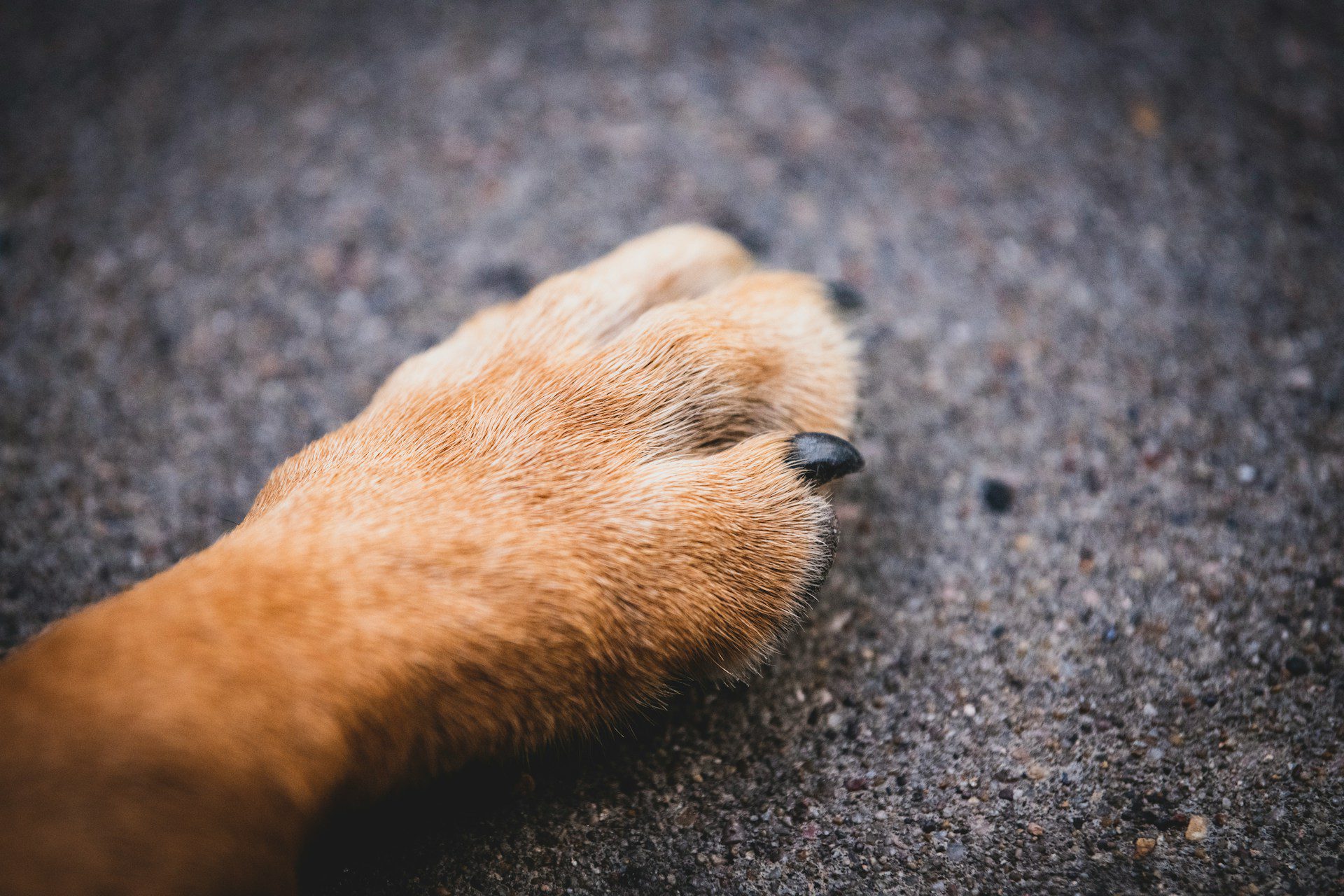
Your dog’s paws are composed of pads that act as shock absorbers, protecting bones and joints from impact during movement. The pads are covered with thick, tough skin to withstand various environments, but even the toughest paws can sustain injuries or discomfort from extreme conditions.
How to Treat Cracked Paws
Cracked paws can quickly escalate from minor discomfort to serious issues if not properly addressed. Dry air, rough terrains, exposure to chemicals, or extreme temperatures can all contribute to cracks in your dog’s paw pads. Here’s a comprehensive guide on how to treat cracked paws:
- Gentle Cleaning – Begin by gently washing your dog’s paws with warm water and mild, pet-safe soap to remove any dirt, debris, or irritants.
- Moisturizing Balms – Apply a specialized paw balm formulated for dogs. Ingredients such as beeswax, shea butter, or coconut oil can provide deep moisture, soothe irritation, and accelerate healing.
- Protective Gear – Use dog boots or socks after applying balm to shield your dog’s paws from further irritation and allow the balm to fully absorb without being rubbed off.
Regularly inspect paws for worsening cracks or signs of infection, including redness, swelling, or discharge. You can learn more about caring for your dog’s paws at the AKC website here. Severe cases should receive prompt veterinary attention.
Protecting Dog Paws in Summer Heat
Summer brings its own set of paw-related challenges. Hot pavement, asphalt, and sand can cause painful burns and blisters on paw pads. Protecting dog paws in summer heat involves proactive measures:
- Test Surface Temperatures – Place your hand or bare foot on the pavement for a few seconds. If it’s too hot for you, it’s too hot for your dog’s paws.
- Choose Cooler Walk Times – Schedule walks early in the morning or later in the evening when outdoor temperatures are lower.
- Utilize Protective Footwear – Protective booties or paw wax products create a barrier between hot surfaces and sensitive paw pads.
- Prefer Cooler Surfaces – Opt for shaded, grassy, or dirt paths whenever possible to minimize heat exposure.
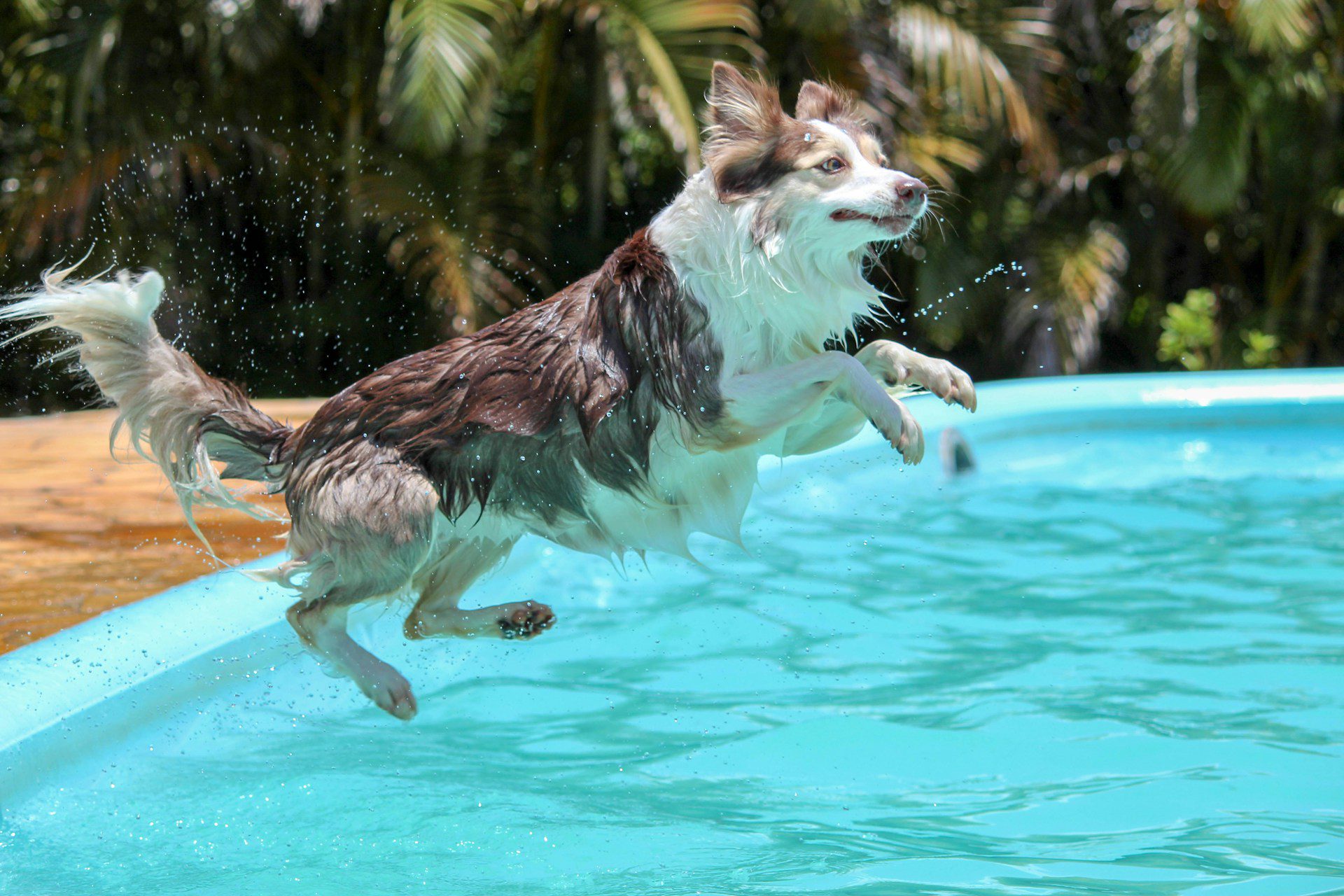
- Be Careful After Swimming – Like human skin, dog paws are very delicate when wet. Take extra care after Fido has been swimming. (Read our blog about swimming with dogs here.)
Additionally, keep your dog well-hydrated during summer walks, as dehydration can exacerbate paw problems. PetMD has a good article on summer paw care here.
Dog Paw Protection in Winter
Snow isn’t usually an issue for us here in Modesto, but if you’re planning to take your pup to a cold climate in winter, you’ll want to pay those feet some extra attention. Winter weather presents unique paw hazards, including ice, snow, salt, and chemical deicers that can irritate or damage paw pads. Effective dog paw protection in winter includes:
- Regular Paw Checks – After each outdoor activity, thoroughly inspect paws and remove any ice, snow, or salt particles.
- Frequent Moisturization – Apply paw balm regularly to prevent dryness and cracking caused by cold, dry air.
- Dog Boots – Waterproof boots provide insulation and protection from harsh winter elements, preventing frostbite and chemical burns.
- Limit Exposure – Shorten outdoor activities during extremely cold weather to protect paws and reduce risk of frostbite.
Rinse paws with warm water after walks to remove harmful chemicals and salts that can cause further irritation.
Additional Paw Care Tips
Maintaining optimal paw health goes beyond seasonal considerations:
- Regular Nail Maintenance – Trim your dog’s nails frequently to prevent painful splits, breaks, and discomfort while walking.
- Consistent Grooming – Routine grooming sessions allow early detection of paw issues and ensure cleanliness and comfort.
- Avoid Chemical Hazards – Stay cautious about lawns or paths treated with pesticides or fertilizers. Make a habit of thoroughly washing Fido’s paws after potential exposure.
- Keep Paw Hair Trimmed – Long hair between paw pads can collect debris, ice, and moisture, leading to discomfort and infection.
FAQ
How often should I inspect my dog’s paws?
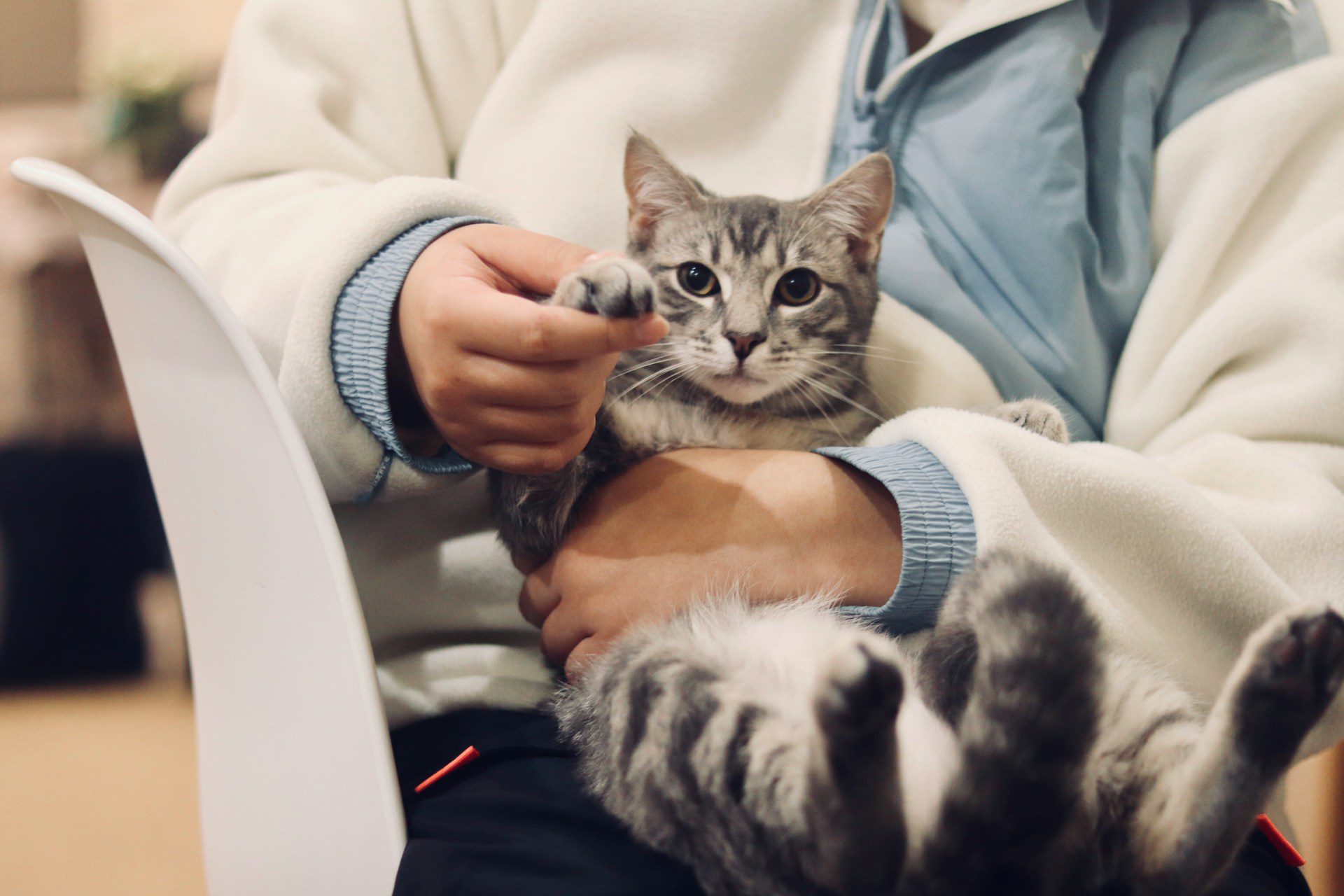
Inspect your dog’s paws daily or after every outdoor activity, and perform a thorough check at least weekly for any signs of injury, cracks, or foreign objects. (Tip: Teach Fido he’ll get a yummy snack for a Shake or Gimme Paw)
Can human moisturizers be used on dog paws?
No, human moisturizers may contain ingredients toxic or irritating to dogs. Always choose paw-specific products specially formulated for canine use.
Do dog boots really help?
Absolutely. Dog boots effectively protect paws from extreme temperatures, rough terrains, sharp objects, and harmful chemicals. Properly fitted boots enhance comfort and mobility.
How do I know if my dog’s paws are injured?
Keep an eye out for warning signs, such as limping, excessive licking, paw sensitivity, redness, swelling, cracks, or bleeding. If any of these symptoms are present, consult your veterinarian immediately. You can also read more about recognizing signs of pain in pets here.
Can paw problems affect my dog’s overall health?
Yes, untreated paw issues can significantly impact your dog’s mobility, comfort, and quality of life, potentially leading to infections or chronic pain. Prompt attention and regular preventive care are crucial.
Keep Your Dog’s Paws Healthy All Year
Implementing a proactive paw care routine ensures your dog remains comfortable and active no matter the season. Whether managing cracked paws, preventing summer burns, or protecting against winter hazards, consistent attention makes a significant difference in your pup’s well-being. For personalized advice or concerns regarding your dog’s paw health, contact our veterinary clinic—we’re here to help you every step of the way.
Click here to visit our Service Page for more information about our animal hospital and the pets we see.
This blog is intended for informational purposes only. Always consult your veterinarian regarding your pet’s health and safety.