Keeping Your Canine Pal Trim
At Empire Veterinary Clinic, serving Modesto, CA and Empire, CA, we understand that your dog is a cherished member of your family. But did you know that obesity is one of the most common health problems affecting dogs today? Obesity significantly shortens your canine companion’s lifespan and reduces his quality of life by increasing the risk of serious diseases. As your trusted neighborhood veterinarians, we’re here to guide you in recognizing, addressing, and preventing obesity, helping keep your furry friend healthy and happy for years to come.
Signs Your Dog is Overweight
Many pet owners don’t realize their dog is seriously overweight until health problems start to arise. Recognizing the signs early allows you to intervene before obesity becomes severe.
- Difficulty feeling ribs: You should be able to feel (but not clearly see) his ribs under a thin layer of fat.
- No visible waistline: From above, your dog should have a gentle inward curve behind his ribcage.
- Reduced activity and stamina: Overweight dogs tire more quickly during walks and playtime.
- Breathing difficulty: Excessive panting or struggling to breathe, especially after mild exercise, is a clear sign your pup needs to slim down.
Of course, your vet is the ultimate judge. While you may be able to tell at a glance if Fido is getting too chubby, sometimes it’s hard to gauge. Having a vet evaluate Fido, using a body scoring system, is your best bet. The Association For Pet Obesity Prevention has some great information about this on their site here.
Helpful Fact: Approximately 56% of dogs in the U.S. are overweight or obese—highlighting how common and important this issue truly is.
Health Risks of Dog Obesity
Carrying extra weight puts significant stress on your dog’s body, increasing his risk of developing severe health issues, including:
- Joint and bone problems: Arthritis, ligament injuries, and hip dysplasia worsen with excess weight.
- Heart disease and hypertension: Extra fat strains the heart, increasing the risk of cardiovascular issues.
- Diabetes: Obesity significantly increases the likelihood of diabetes in dogs.
- Respiratory issues: Excess fat around the chest and abdomen makes breathing difficult, particularly in breeds like Bulldogs or Pugs.
- Decreased lifespan: Obese dogs can have their lifespans shortened by up to two years or more.
Ask your Empire, CA vet for more information about the risks of obesity.
Helping Your Dog Lose Weight: Effective Strategies
Helping your dog lose weight requires patience, consistency, and veterinary support. Here are proven methods to safely reduce your dog’s weight:
Dietary Adjustments
A proper diet will go a long way at keeping Fido at (or at least near) his ideal weight. Go with quality over quantity, at least as much as you can. Consult your veterinarian to determine your dog’s ideal weight and daily caloric needs. We can recommend a specialized weight-loss diet or adjust portions of his regular food to ensure safe, healthy weight reduction. Learn more about nutrition guidelines by visiting the FDA website here.
Regular Exercise
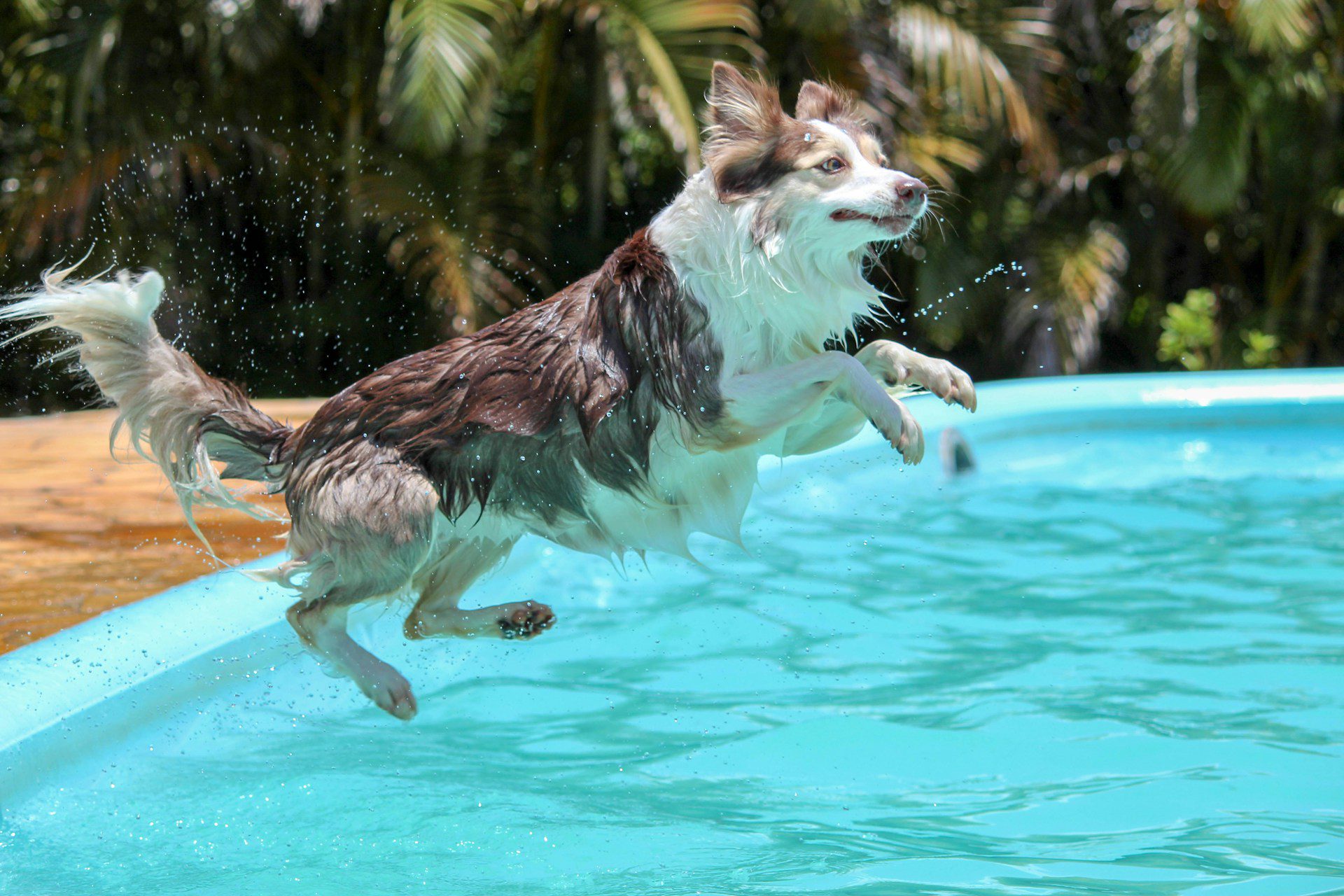
Exercise is crucial. Start slowly, especially if your dog isn’t accustomed to daily activity. Gradually increase walks, engage in low-impact play, and find activities Fido enjoys, like swimming or fetch, to make weight loss fun. Just stick with things that are safe and vet-approved, as not all activities are right for every dog.
Limit Treats and Table Scraps
Treats and table scraps quickly add calories. Choose low-calorie, veterinarian-approved treats and strictly limit human foods, particularly fatty or sugary snacks.
Fun Fact: Replacing dog biscuits with carrot slices or apple slices is an easy way to reduce calorie intake without sacrificing your pup’s happiness!
Obesity Prevention for Dogs: Long-Term Strategies
Preventing obesity is always easier than addressing it after it develops. Here are effective long-term strategies for maintaining a healthy weight:
- Regular veterinary check-ups: Annual wellness exams monitor weight trends, allowing early intervention.
- Balanced nutrition: Feed Fido high-quality dog food appropriate for his age, breed, and activity level. Click here to read our blog on pet nutrition.
- Consistent feeding schedules: Set regular mealtimes rather than free-feeding to control portions.
- Daily exercise: Commit to daily walks, interactive play, and mental stimulation to keep him active and fit.
FAQ
How do I know if my dog needs to lose weight?
You should easily feel (but not see) your dog’s ribs, and he should have a visible waistline. If these aren’t clear, consult your vet about a weight-loss plan.
How quickly should my dog lose weight?
Safe weight loss for dogs is gradual—typically 1–2% of their total body weight per week. Rapid weight loss can cause health issues.
Schedule an Appointment at Our Modesto, CA Veterinary Clinic
Are you looking for a great veterinary clinic in Modesto, CA? You can try searching for a vet near me, or simply call Modesto Veterinary Clinic. Dog obesity is preventable and manageable with proper veterinary support and at-home care. Visit our Service Page here to learn more about the services we offer and the type of pets we see. Schedule an appointment today to help your dog achieve a healthier, happier weight!
This blog is meant to be informational only. Always consult with your veterinarian for personalized medical advice and follow their recommendations for your pet’s health and well-being.